
Dutch Identity Through Resistance
Hans Brinker, or The Silver SkatesThis flow connects the story’s national history of resistance with its portrait of collective courage and responsibility.
increasing Bearing strength in each event
 decreasing
Bearing strength in each eventdecreasingA Country of Contradictions
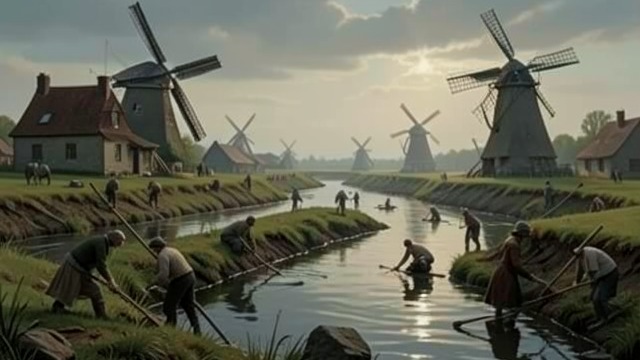
A Country of Contradictions
Vulnerability and ingenuity
Holland is portrayed as low, wet, and exposed, yet carefully cultivated and prosperous. Its people have built systems of canals, dikes, and windmills to manage the conditions that threaten them.
National character
The landscape becomes an argument about perseverance: apparent fragility can coexist with sustained strength. The Dutch are praised for the collective labor that keeps their country habitable.
The Battlefield of Europe
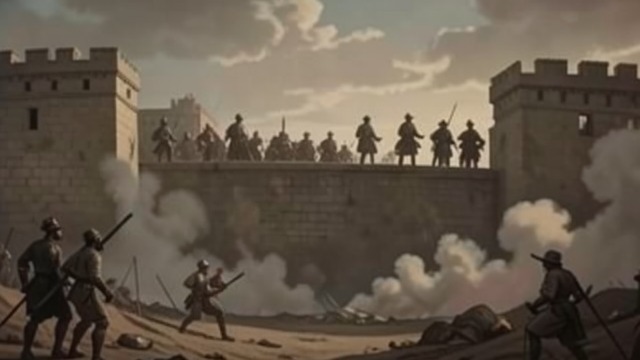
The Battlefield of Europe
Repeated conflict
The account recalls Holland as a battleground in European struggles, including resistance to Spanish rule. Invasions and repression are presented as tests of national endurance.
Refuge and resistance
Holland is also described as a refuge for the oppressed. Its identity joins military resistance to a moral claim about sheltering those in need.
Haarlem Under Siege
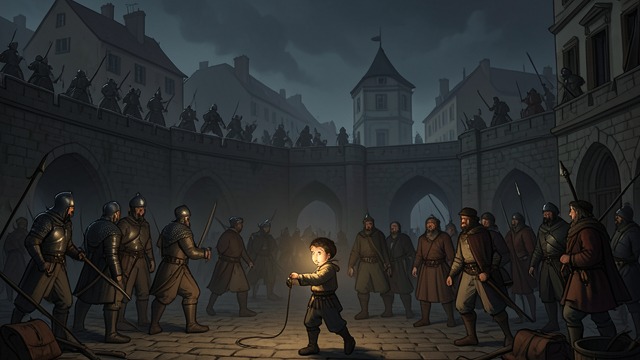
Haarlem Under Siege
A city isolated
The Siege of Haarlem in 1573 brings hunger, disease, and relentless military pressure. Men and women resist together despite the likelihood that help will not arrive.
Courage and cost
The Spanish capture of the city leads to massacre. The episode honors resistance while refusing to hide the terrible human price of defeat.
Leiden Holds Out
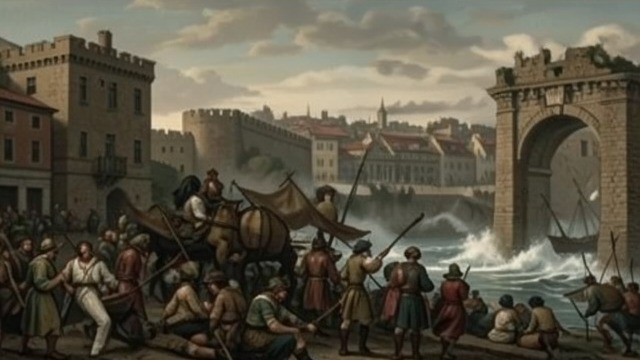
Leiden Holds Out
Resistance under hunger
During the Siege of Leiden in 1574, the inhabitants face starvation and plague but refuse surrender. The account centers on civic resolve under conditions that make endurance nearly impossible.
Relief through water
A change in the wind allows Dutch ships to bring relief across flooded ground. The same water that threatens Holland becomes a means of rescue.
Every Finger at the Leak
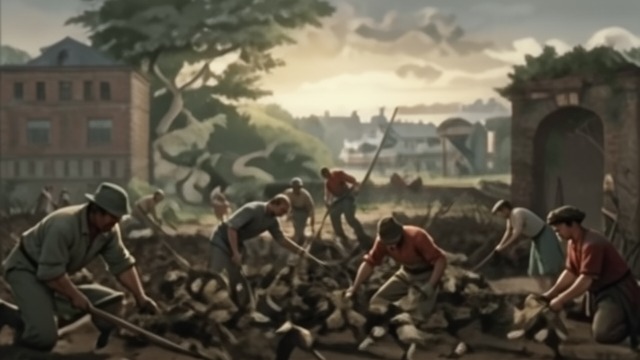
Every Finger at the Leak
A national metaphor
Lambert van Mounen explains that the boy in the dike legend represents a country ready to stop any threat to its safety or honor. Collective action gives meaning to individual courage.
Present echoes
The image reflects the labor that once occupied Raff Brinker and the persistence that supports the Brinkers through crisis. National history and family experience converge in the duty to protect what is vulnerable.
Opening account of Holland
During the historical survey of Holland
1573
1574
Near the close of the historical discussion
